


There Is Less Water Than We Think
There Is Less Water Than We Think
Water is one of the most fundamental building blocks of life. However, understanding how limited the planet's water resources truly are helps us appreciate its value even more. But why is drinkable water so scarce when such a large portion of our planet is covered in water?
Distribution of Earth's Water Resources
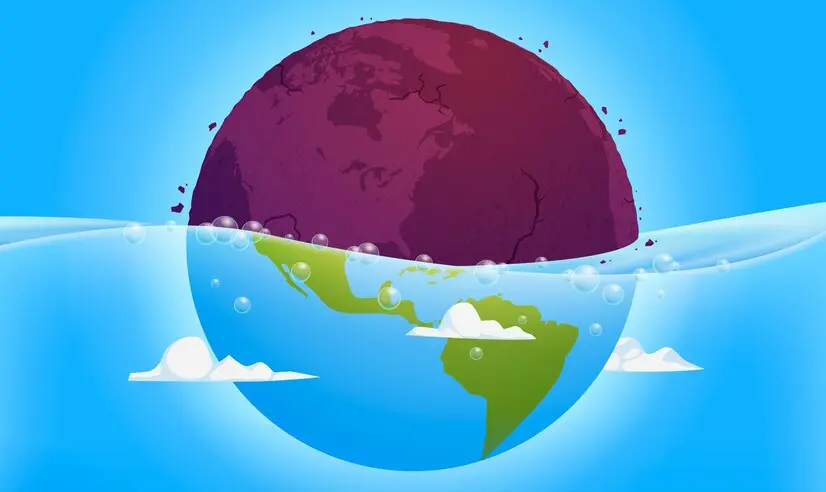
Approximately 71% of the Earth's surface is covered with water. However, 97% of this water is saltwater, found in oceans and seas. Of the remaining 3% that is freshwater, about 69% is in the form of glaciers and permanent snow cover. Drinkable sources like groundwater and lakes make up less than 1% of the total water, showing that only about 0.5% of the Earth's water is directly drinkable.
The Human Body and Water Needs
The human body needs water to survive and function properly. Around 60% of an adult's body is made up of water, and this water must be regularly replenished. Experts recommend that an adult consumes an average of 2-2.5 liters of water per day. This amount can vary based on age, gender, physical activity, and environmental factors.
Water performs many vital functions in the body:
Regulating Body Temperature: Helps maintain body temperature through sweating.
Cell Functions: Transports nutrients and oxygen to cells.
Waste Removal: Assists the kidneys in filtering waste products.
Protecting Joints and Tissues: Keeps joints lubricated and protects organs.
When water intake is insufficient, dehydration occurs, leading to symptoms such as headaches, fatigue, and difficulty concentrating.
Threats to Drinkable Water Resources
Drinkable water resources are threatened by both natural and human-induced factors:
Pollution: Industrial waste, agricultural chemicals, and domestic waste pollute water sources, endangering drinking water quality.
Climate Change: Global warming leads to glacier melt and a decrease in water resources.
Overconsumption: Population growth and improper water management cause freshwater sources to deplete rapidly.
Efficient Water Use Is Crucially Important
The scarcity of drinkable water makes it essential to protect and use water resources efficiently. In addition to practicing individual water conservation, governments and industries must also develop sustainable water management policies. The extremely limited availability of drinkable water on Earth clearly demonstrates its immense value. To ensure future generations have access to water, we must take action today and implement measures to protect this vital resource.
 Previous