


How Can We Protect the Environment?
How Can We Protect the Environment?
As everyone knows, protecting nature is not limited to simple practices like avoiding plastic bags or separating waste. These behaviors are certainly valuable and important as a starting point; however, truly trying to protect nature requires a much deeper level of awareness, a sustainable lifestyle, and a strong sense of responsibility. As someone working in this field, my years of observation have shown me this: Many people still see protecting nature as a surface-level "good deed." Yet, protecting nature begins by fundamentally questioning and redefining our relationship with the planet we live on. Without developing this perspective, every action taken will remain limited and temporary in its effect.
Today, the environmental problems we face are no longer just topics of academic debate; they have become a direct part of our lives. Issues like climate change, biodiversity loss, deforestation, microplastics entering our lives, depletion of water resources, and air pollution are no longer abstract matters. These problems now manifest themselves in our daily lives through concrete effects such as rising temperatures, drought, unhealthy food production, respiratory diseases, and difficulties in accessing clean water.
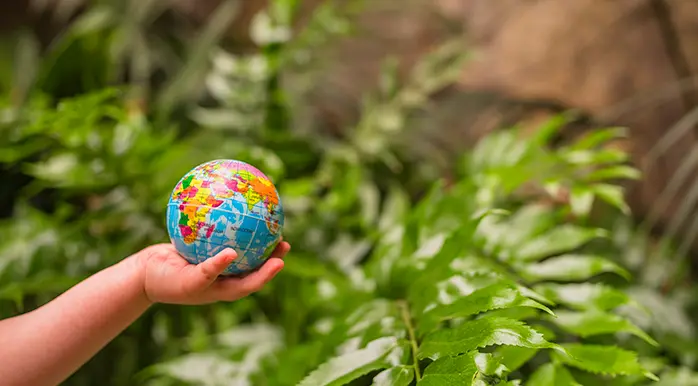
Protecting nature is not only about having an aesthetic love for it. It is also about protecting our own health. The air we breathe, the water we drink, the food we consume, the soil our children play on... All these are parts of natural systems. If these systems are polluted, damaged, or destroyed, we will also be harmed. Protecting nature means protecting our bodies, our souls, our future, and our societal peace.
1. Why Is It Important to Protect Nature?
The health of natural systems is our health. A forest doesn’t only provide shelter for birds; it also provides us with clean air. A clean stream is not just a lifeline for fish, but for all of humanity. Fertile soil is not just a matter for farmers; it is the guarantee of the bread on the urban resident's table. Protecting nature means recognizing this interconnectedness and living accordingly.
Therefore, protecting nature begins with our personal choices. Every step we take in our daily lives clearly has an ecological consequence. The product we choose while shopping, the packaging we throw away, how we use water, how we heat our homes, how and where we travel... All these behaviors have either a negative or positive impact on nature. As responsible individuals, we must make every decision by considering these impacts.
We must remember that nature does not belong to us; we are part of nature. We can exist not by exploiting it, but by living in harmony with it. Protecting nature is the effort to establish this harmony. And this effort is not only for us but also for the living rights of future generations. The respect we show to nature is actually respect for life itself.
2. One Cannot Have an Opinion Without Knowledge
The first step for individuals who want to help the environment should be to gain accurate knowledge about the environment. Slogans seen on social media, superficial news, or images are not enough. Without understanding how ecosystems work, where waste goes, or what our consumption habits cost, we cannot take the right steps. That's why environmental education is essential for people of all ages.
“Instilling environmental love in a child does not start by teaching them a trash bin, but by telling them the life story of a tree.”
3. What Can We Do in Daily Life?
Helping the environment is not limited to participating in large campaigns or launching massive projects. Small but consistent decisions at the individual level form the foundation of social transformation. Now, let’s look at concrete and effective steps:
a) Questioning Our Consumption Habits
 Reduce Unnecessary Consumption: Not buying something you don’t truly need is one of the most effective things you can do for the environment. Every product consumes energy, water, and raw materials during its production. Did you know that a single T-shirt consumes 2,700 liters of water during its production?
Prefer Second-Hand: Choosing second-hand items for things like books, clothes, and furniture reduces waste. And vintage fashion is quite trendy now!
Adopt the Philosophy of Minimalism: Living with less is a way of living in harmony with nature.

b) Developing Waste Management Awareness
Sort Waste: Composting organic waste to return it to the soil and properly disposing of other waste in recycling bins is necessary.
Be Careful with Electronic Waste: Electronic waste such as batteries, phones, and computers cause serious environmental damage. Use collection bins provided by municipalities or stores for these.
Research and Start Applying Zero Waste Principles: These practices help reduce overall waste generation.
c) Reducing Water and Energy Use
Turn Off Your Faucets: Don’t let water run unnecessarily while brushing your teeth, washing your face, or doing dishes. Try not to spend more than 15 minutes in the shower.
Use Energy-Efficient Bulbs and A+++ Appliances: Using energy-efficient devices helps both the environment and your budget in the long run.
Use Solar Energy: If possible, install solar panels in your home or workplace to significantly reduce your environmental footprint.
d) Reconsidering Transportation Choices
Use Public Transport: Choosing public transport over personal vehicles reduces carbon emissions.
Support Walking and Cycling: Walking or cycling instead of driving for short distances is both healthy and eco-friendly.
Car Sharing and Electric Vehicles: These will form the foundation of eco-friendly transportation in the future.
e) Consuming Local Food
Shop from Local Markets: Shopping from local greengrocers and markets often causes less carbon footprint. That’s because large supermarket chains use extensive and intensive transportation networks for food.
Consume Less Meat: Meat production is an industry that greatly harms the environment. Try not to consume meat more than twice a week.
4. Protecting Nature Also Means Helping Society
Environmental problems affect not only nature but also society. Issues like drought, food crises, and climate migration directly turn into matters of social justice. Therefore, helping the environment is also necessary to create a fairer and more livable society. Providing environmental education in socioeconomically disadvantaged areas and helping these children connect with nature is a sign of major future change.
5. Instilling Environmental Awareness in Children and Youth
Over the years, I have clearly seen this: If children are not connected with nature at an early age, this gap is difficult to make up for later in life. That’s why educators, parents, and society as a whole must create opportunities for children to interact with nature.
Establishing environmental clubs in schools,
Organizing nature walks and garden activities,
Supporting ecological school projects,
Bringing environmental issues into class projects (e.g., waste diaries, carbon footprint calculations).
Remember, expecting a child to protect the environment without first helping them love nature is simply not possible. If your goal is to help children love the environment, we recommend checking out our page: 5 Great Environmental Activities for Children.
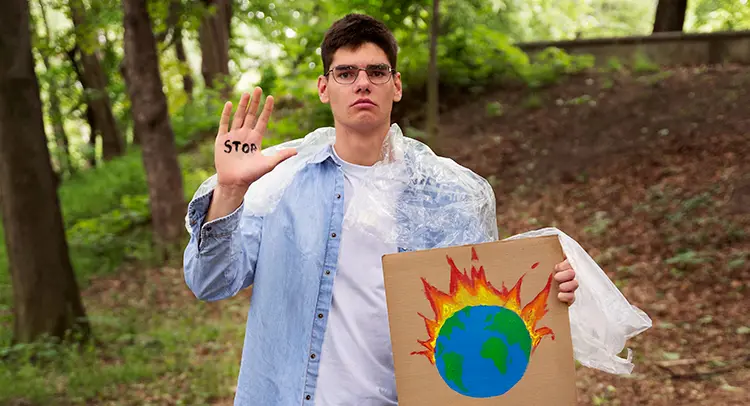
6. Activism and Volunteering
Personal change is important, but collective action is needed for lasting and widespread impact. Therefore:
Join an environmental organization.
Take part in tree planting campaigns.
Report environmental problems in your neighborhood to the municipality.
Support environmental petition campaigns.
Raise environmental awareness on social media—not for show, but for real transformation.
Even visiting our website more often counts as a form of activism. Don’t say we didn’t tell you! 
7. The Silent Destroyers: Microplastics, Chemicals, and Fast Fashion
Most things that harm the environment are invisible. Microplastics pollute sea creatures and eventually end up on our plates. The cleaning products we use at home spread toxins into nature. The fast fashion industry destroys nature through cheap labor. So:
Use organic cleaning products.
Choose clothes made from natural fabrics.
Support slow fashion and buy from local producers.
8. Conclusion: Transformation Begins Within
Helping the environment is not a choice—it is a necessity. To fulfill this necessity, we must first change the way we think, then the way we act. If we want to leave a more livable world for our children, we must question every step we take today.
Every individual is a part of nature. And that part, if it chooses to, can spark a great transformation.
Remember:
“One person plants a tree,
a thousand people form a forest.
But the transformation only begins when one person dares to plant that tree.”
 Previous