


What Are Montessori Activities?
What Are Montessori Activities?
Activities defined as Montessori activities are designed to support children's individual developmental processes. They consist of basic educational practices that help balance the development of responsibility with the ability to think independently. These activities originate from the Montessori method, developed by Italian doctor and educator Maria Montessori. The main goal of all these activities is to create a space where children can manage their own learning process.
There are several key factors to consider in all activities based on the Montessori approach. Age group, developmental level, and children's areas of interest play an important role in this context. These activities support both cognitive and physical development, which is why they tend to have high effectiveness. As they also contribute to the development of social interaction, children learn to adapt to society as they grow. Montessori activities, which can be easily implemented at home or in school environments, are supported by concrete materials.
Montessori Activities You Can Do at Home
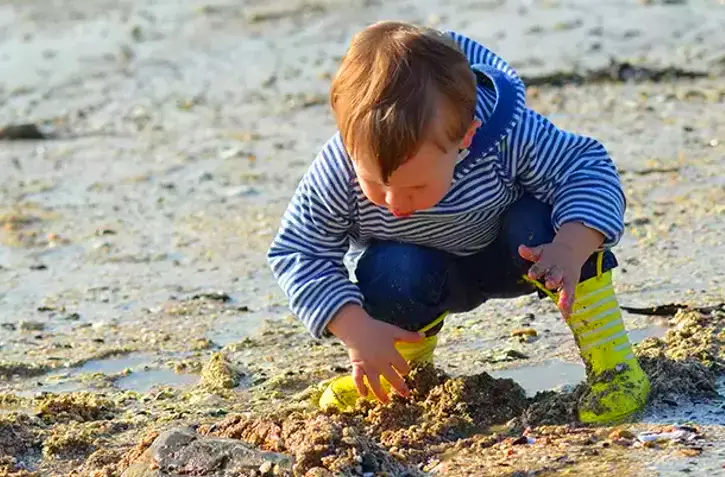
Since the Montessori approach can be easily applied at home, it is possible to create a flexible environment for children. Home provides a safe and familiar space, making it ideal for natural learning experiences. One of the biggest advantages is that children can carry out practical daily life tasks under adult supervision, which supports the development of life skills. There are many creative Montessori activity options that can be done at home.
Color Sorting Basket
This activity allows children to group colorful objects at home according to their colors. It improves their ability to visually distinguish objects.
Nature Collage Making
Using materials such as flowers, stones, or leaves, children can create free-form collages. It directly contributes to boosting creativity. You can find many similar activities on our website.
Writing in Sand
By pouring salt, sand, or similar textured, safe materials into a tray, children use their fingers to draw. Letters, shapes, or numbers can all be part of this hands-on activity.
Daily Task Cards
Daily routine cards with simple illustrations can be prepared for children. These help develop a sense of responsibility. Sound familiar? Just like our homepage’s daily task suggestions! :)
Sensory Bottles
By filling transparent plastic bottles with water and materials like beads or pebbles, a sensory activity can be created that stimulates both sight and hearing.
Montessori Activities for Language Development
Montessori language activities are designed to treat language development as a natural learning process. Beyond just vocabulary, these activities support expression, thinking, and communication. They also encourage observation of the child’s surroundings. With natural and tangible materials, children can understand language more easily.
Book Activities
Using picture books with content suitable for children helps create conversations based on the illustrations. This supports memory visually and strengthens the rhythm of language.
Sound-Letter Matching with Letter Boxes
Using letter boxes in Montessori activities helps children recognize sounds and connect them with letters. These are phonics-based activities that help prepare children for reading and writing.
Montessori Activities for Bilingual Children
For children who speak two main languages, concept card activities can support balanced learning in both languages. These activities are based on meaning and aim to reinforce language understanding.
Montessori Activities for Sensory Development
Montessori activities that involve using all the senses help children explore their environment. These activities help children classify objects and distinguish between different stimuli.
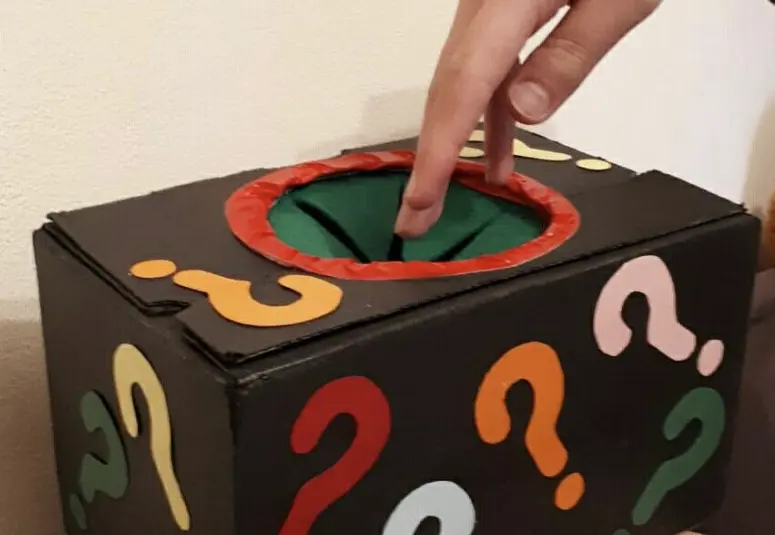
Touch and Feel Boxes
Boxes with materials of different textures help develop the sense of touch in children. Objects like stones, fabrics, and cotton can be used. This type of activity plays a role in enhancing sensory awareness.
Auditory Matching
Auditory matching activities use tubes filled with different materials. This allows children to perceive sound through direct sensory input. It’s especially important for developing the ability to distinguish between similar sounds.
Shape Sequencing Activities
These activities help children distinguish shapes visually, supporting logical thinking. Sequencing also promotes categorization and organizing thoughts.
Sand Tray
Working with sand allows children to explore textured surfaces through touch. It helps build basic pre-writing skills more effectively.
Activities for Mathematical Concepts
In Montessori activities, using concrete materials to support math helps children understand numerical concepts more easily. Activities include a variety of mathematical concepts such as geometric shapes and numbers.
Shape Recognition Games
Shape recognition games that include triangles, circles, squares, etc., help children improve spatial awareness and visual discrimination. Since sensory development is emphasized, these activities directly impact children's growth.
Montessori Activities that Develop Social Skills
In Montessori education, children not only gain social skills that directly impact their daily lives, but also develop emotional growth and practical life skills. These types of activities help children become independent and support the development of responsibility.
Group Activities
Through group activities with peers in the same age group, children learn to express their emotions and develop empathy more easily. Activities like reading books, drawing pictures, or solving puzzles are examples of group interactions they can participate in.
Role-Playing Activities
In role-playing activities, children put themselves in others’ shoes, which enhances their ability to empathize. These are activities that support emotional development as part of social skill building.
Nature and Discovery-Based Montessori Activities
Montessori activities that focus on interaction with nature place the process of exploring the natural environment at the center. These discovery-based experiences encourage children to observe the world around them while also laying the foundation for environmental awareness and stimulating their curiosity.
Garden Discovery Walks
While spending time outdoors, children can observe both living and non-living elements of nature and create their own collections. Through categories like flowers, stones, seeds, and leaves, they develop their discovery skills and learn to classify objects.
Nature Calendar
In the nature calendar activity, children learn to take responsibility for living beings. They actively participate in tasks such as daily watering, observing, taking notes, and following changes in nature by creating their own calendar.
Observing Animals
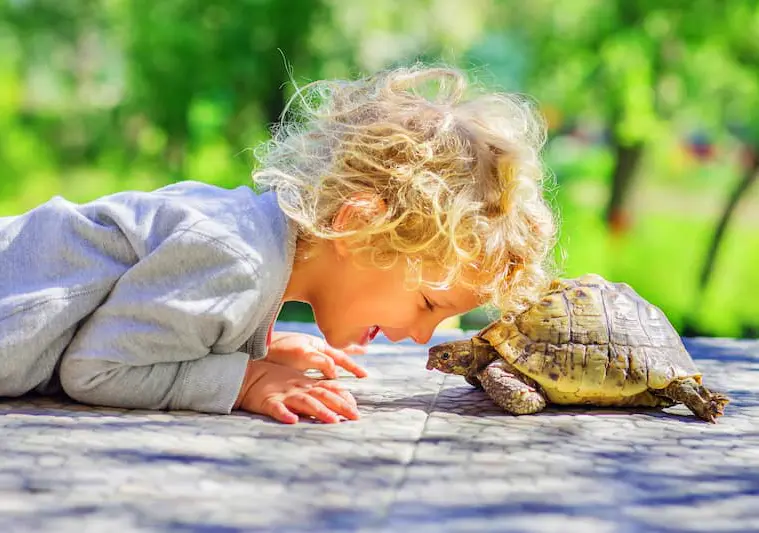
Observing common animals in nature such as ants, birds, and butterflies helps spark children’s curiosity about biological processes. By watching life stages—like a caterpillar turning into a butterfly—children gain insight into the cycles of life and strengthen their observation skills.
Activities to Promote Environmental Awareness
Activities that help children develop environmental awareness—such as making toys or creating art from recyclable materials—also support creativity. These Montessori activities contribute to sustainability education from an early age. By learning to repurpose waste materials, children gain a hands-on understanding of environmental responsibility in a fun and meaningful way.
 Previous