


The Music of Rain
"The Music of Rain"
The "Music of Rain" activity is designed for children aged 3–10. This activity allows children to interact more with nature and understand the importance of the water cycle. This gamified experience encourages children to explore nature and learn about it. The activity involves creating a "nature orchestra" that imitates the sound of rain. This not only raises children’s environmental awareness but also develops their musical skills.
Objective of the Activity:
 Help children gain knowledge about the water cycle.
Teach children the importance of rain and the need to protect water resources.
Develop children’s creativity and problem-solving skills by making music with natural materials.
Teach children the importance of reusing waste materials and recycling.
Provide children the opportunity to spend time in nature and explore it.
Increase children’s environmental awareness through a fun and interactive activity.
First the Story
On a rainy day, Tako and Ruka were stuck inside their room. The sounds of the rain dancing outside sparked a sense of curiosity in them. They realized those sounds were like music and started thinking about how they could create similar music themselves.
Materials


Activity
Step 1: Choose a day when rain is expected. We can check the weather forecast for this. Then gather the materials to create our orchestra. Empty tin cans, metal lids, stones of different sizes, and leaves will work well. While collecting materials, let’s remember to protect the environment and avoid randomly picking leaves or stones from nature. Instead, we can use those found on the ground.
Step 2: Place the materials on a table or on a suitable outdoor surface. Arrange the tin cans, metal lids, and stones in different groups. We can place the leaves on top of the cans and lids. This arrangement can be left to the children’s imagination. Remind them that each material will make a different sound and that, together, they will recreate the sound of rain.
Step 3: Now all we have to do is wait for the rain. Once it starts raining, listen to the sound of the raindrops. Pay attention to how they sound and which material makes which sound, so we can remember it later.
Step 4: When the rain stops, try to recreate the same sounds with the same materials. Tap the cans, lids, and stones with your fingers or a handmade stick to produce sounds. Try to make these sounds imitate the sound of raindrops.

NOTE: During this activity, make sure not to use lids or cans with sharp edges to ensure children’s safety. Also, remind the children not to make excessively loud sounds.
Attention!
Adult supervision is required during the activity. It is important for children to be under an adult’s supervision while playing in the rain.
In rainy weather conditions, surfaces can become slippery. Ensure that children wear appropriate footwear to minimize the risk of falling and injury.
Possible allergic reactions that could harm children’s health should be considered during the activity. Pay particular attention to pollen and other allergens that may appear after rain.
Warn children not to play in puddles that form after rain. These puddles can be a suitable environment for harmful microorganisms to grow. Therefore, make sure they do not touch these puddles.
During the activity, while encouraging children to interact with nature, also inform them about protecting nature and raising environmental awareness. They should be reminded not to harm the environment.
Evaluation Questions
What does the coming of rain tell us?
What does the music of rain sound like, and how does it make us feel?
What do you think about the importance of rain for the living beings in our environment?
What do you know about the cycle of rainwater in nature?
How can we use rainwater more efficiently?
What benefits can rain have for plants and animals?
How would you explain the relationship between rainwater and nature?
Which creatures in nature do you think are made happy by the music of rain?
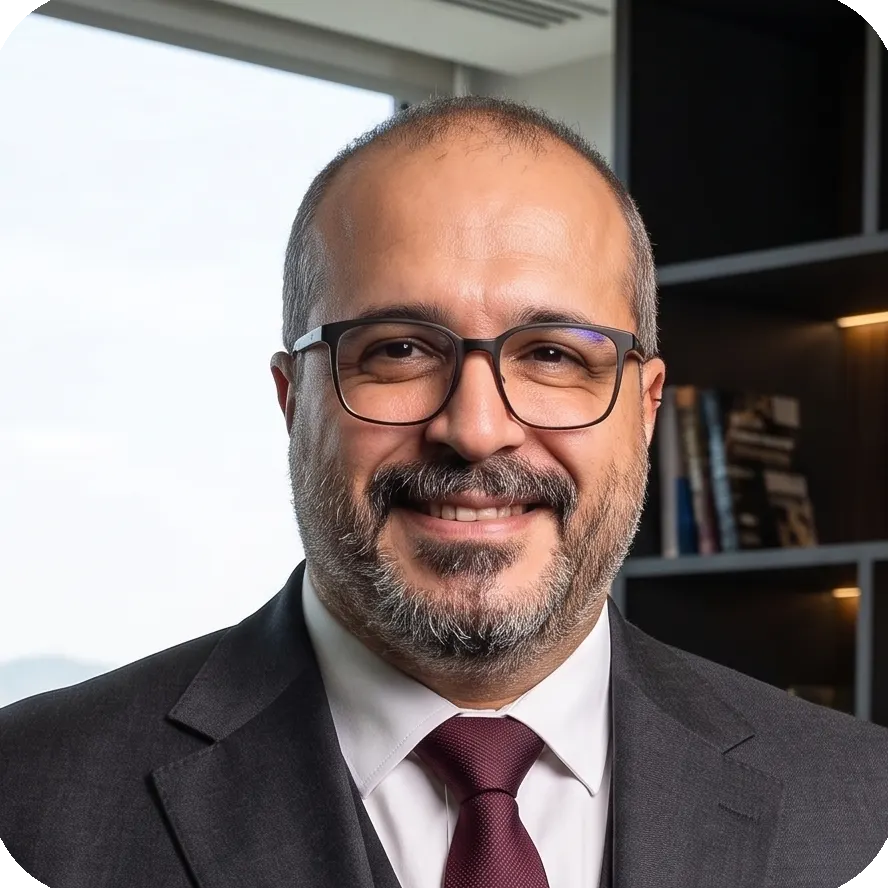
Sercay Ünver - Instructor & PhD Candidate
As the founder of Envikid, an academic, and an instructor, I focus on artificial intelligence, technology, and the integration of technology in education. As a project developer blending these expertise with environmental education, I conduct interdisciplinary research. I aim to utilize technology as a fundamental tool for a more sustainable future and quality education.
 Previous